


Best Moisturiser for Dry Skin in Winter: How to Choose One in India

By the Aurella Belle team · Updated 29 October 2026
Written by the Aurella Belle team, makers of the Collagen Moisturiser. The guidance applies to any brand.
Quick answer: The right moisturiser for dry skin in winter has humectants such as hyaluronic acid or glycerin to draw in water, plus emollients or occlusives such as ceramides, shea butter or squalane to hold it there. Apply it on slightly damp skin, twice a day, and choose a richer texture for North Indian winters.
Why skin gets drier in winter
Cold air holds less moisture. When the air is dry, water leaves your skin faster. In much of North and Central India, winter humidity can drop sharply, and then we add room heaters, hot showers and long hours in closed rooms. Each of these pulls more water from the skin.
The result is skin that feels tight after washing, looks flaky around the nose and cheeks, and sometimes itches. A good routine helps the skin's barrier hold on to water. Moisturiser is the centre of that routine.
How to choose a moisturiser for dry skin in winter
Ignore the marketing words first. Turn the tube over and look for three kinds of ingredients. A well-made winter moisturiser usually has a mix of all three.
| Ingredient type | What it does | Common examples |
|---|---|---|
| Humectants | Draw water into the top layer of skin | Hyaluronic acid, glycerin, aloe vera, urea (low levels) |
| Emollients | Smooth and soften rough, flaky patches | Squalane, plant oils, shea butter, fatty alcohols |
| Occlusives | Form a light seal that slows water loss | Petrolatum, dimethicone, beeswax, ceramide-rich creams |
| Supporting actives | Help support the skin barrier | Niacinamide, ceramides, panthenol |
Match the texture to your skin and city
- Very dry skin, cold dry city (Delhi, Chandigarh, Jaipur): a cream or balm. Consider a thin layer of a plain occlusive at night over your moisturiser.
- Dry skin, mild winter (Mumbai, Chennai, Kolkata): a lotion or light cream is usually enough. Heavy balms may feel greasy in coastal humidity.
- Combination skin that turns dry in winter: a light cream on cheeks, less on the T-zone.
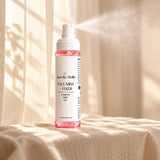
- Office AC all day: keep a small tube or a face mist at your desk to refresh skin in the afternoon.
Check what you do not want
- Strong fragrance or high amounts of drying alcohol near the top of the ingredient list, if your skin is sensitive.
- Products that promise to "fix" eczema or cracked skin. Those need a doctor, not a cosmetic.
- Claims you cannot check. A label that says "No. 1" tells you nothing about the formula.
How to apply it so it actually works
- Wash with lukewarm water. Hot water feels good in December but strips oils. Use a gentle, non-foaming cleanser.
- Leave skin slightly damp. Pat, do not rub, with a towel. A spritz of rose water or a mist also works.
- Apply within a minute. A pea-sized amount for the face, a little more for the neck. Press it in.
- Repeat at night. Night is when you can use a richer layer without worrying about shine.
- Do not forget sunscreen. Winter sun in India is still strong. Moisturiser first, then SPF 30 or above.
The India angle: hard water, heaters and budgets
Many Indian cities have hard water. The minerals can leave skin feeling tight and squeaky after washing. A quick rinse with filtered water or a splash of rose water can help skin feel more comfortable before you moisturise. Our guide to the purest rose water explains what to look for on the label.
Room heaters dry the air quickly. If you use one, a bowl of water in the room or a humidifier helps. Drink water through the day too, though this alone will not fix dry skin.
On cost, a solid winter moisturiser in India ranges from about Rs. 300 to Rs. 1,000 for 50 g. Pharmacy basics with glycerin and petrolatum work well for many people. You do not need to spend a lot. You do need to use it daily.
Day and night: do you need two moisturisers?
Not always. One well-chosen moisturiser can cover both. If your skin feels dry by evening, use the same product more generously at night, or add a thin layer of a plain occlusive over it on the driest patches. Keep the morning layer lighter so sunscreen sits well on top.
Mistakes to avoid
- Switching to a heavy cream overnight. If you are prone to bumps, go richer gradually.
- Over-exfoliating flaky skin. Scrubbing dry patches makes them worse. Moisturise first, exfoliate gently once a week at most.
- Long, hot showers. Keep them short and lukewarm.
- Skipping moisturiser because skin feels oily by noon. Dehydrated skin can still look shiny.
- Forgetting lips, hands and neck. They dry out first in winter.
Our moisturiser, briefly
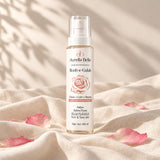
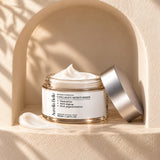
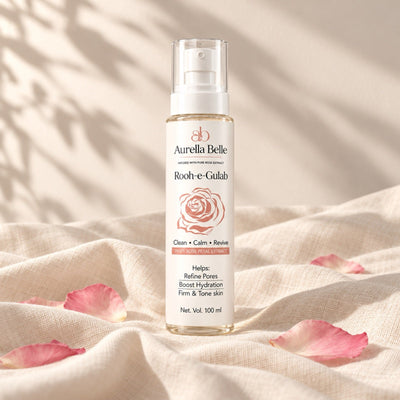
Our Collagen Moisturiser (Rs. 1,099, 50 g) uses hyaluronic acid and niacinamide in a light, non-greasy texture. It suits mild winters on its own and works under a richer night layer in colder cities. Many customers pair it with Rooh-e-Gulab rose water on damp skin, which is what our Hydration Duo (Rs. 897) brings together.
Patch test and safety
New products can irritate even dry skin, which is often more sensitive in winter. Apply a small amount on your inner arm or behind the ear for three days before using it on your face. Stop if you notice redness, burning or itching. If your skin cracks, bleeds, or has red, scaly, itchy patches that do not improve with moisturiser, see a dermatologist. These can be signs of eczema or another condition that needs proper care.
FAQ
Which moisturiser is good for dry skin in winter in India?
Look for one that combines a humectant such as hyaluronic acid or glycerin with an emollient or occlusive such as ceramides, shea butter or dimethicone. Choose a cream in colder cities and a lotion in coastal ones.
How often should I moisturise in winter?
At least twice a day, after washing your face. Add a top-up in the afternoon if you sit in AC or near a heater.
Is hyaluronic acid enough on its own in winter?
Not usually. In very dry air it works well under a cream that helps seal moisture in.
Can I use face oil instead of moisturiser?
Oil softens skin but does not add water. Use it as a final layer over a moisturiser, not instead of one.
Do I need sunscreen in winter?
Yes. Winter sun still reaches your skin. Apply SPF 30 or above after moisturiser.
Should I change my moisturiser when winter ends?
Many people move to a lighter texture in summer and monsoon. Your skin will tell you when a cream starts to feel heavy.
Sources
- American Academy of Dermatology. Dermatologists' top tips for relieving dry skin.
Related reading: Skincare routine for beginners: the 3 steps that matter · Rose water for face: benefits and how to use it
More from the journal

What rose water does for your face, six ways to use it (including at night), tips for oily and dry skin, and the mistakes...
Read the guide
A skincare routine for beginners in three steps: cleanse, moisturise and sunscreen. What to use, in what order, and how to choose your first...
Read the guide
A simple skincare routine for oily skin: morning and night steps, how to adjust for Indian summers, monsoon and winter, and mistakes to avoid.
Read the guide